How Trading Card Collecting Has Evolved Into a Thriving Online Marketplace

The trading card industry has undergone a remarkable transformation over the past several years, shifting from a niche childhood hobby into a global marketplace worth billions of dollars annually.
What was once confined to weekend swap meets and dusty hobby shops is now a dynamic, technology-driven ecosystem where collectors, investors, and enthusiasts buy and sell cards from every corner of the world.
The Resurgence of Trading Card Culture
Trading cards experienced a massive surge in popularity during the pandemic era, as people rediscovered their childhood collections and a new generation of collectors entered the market for the first time.
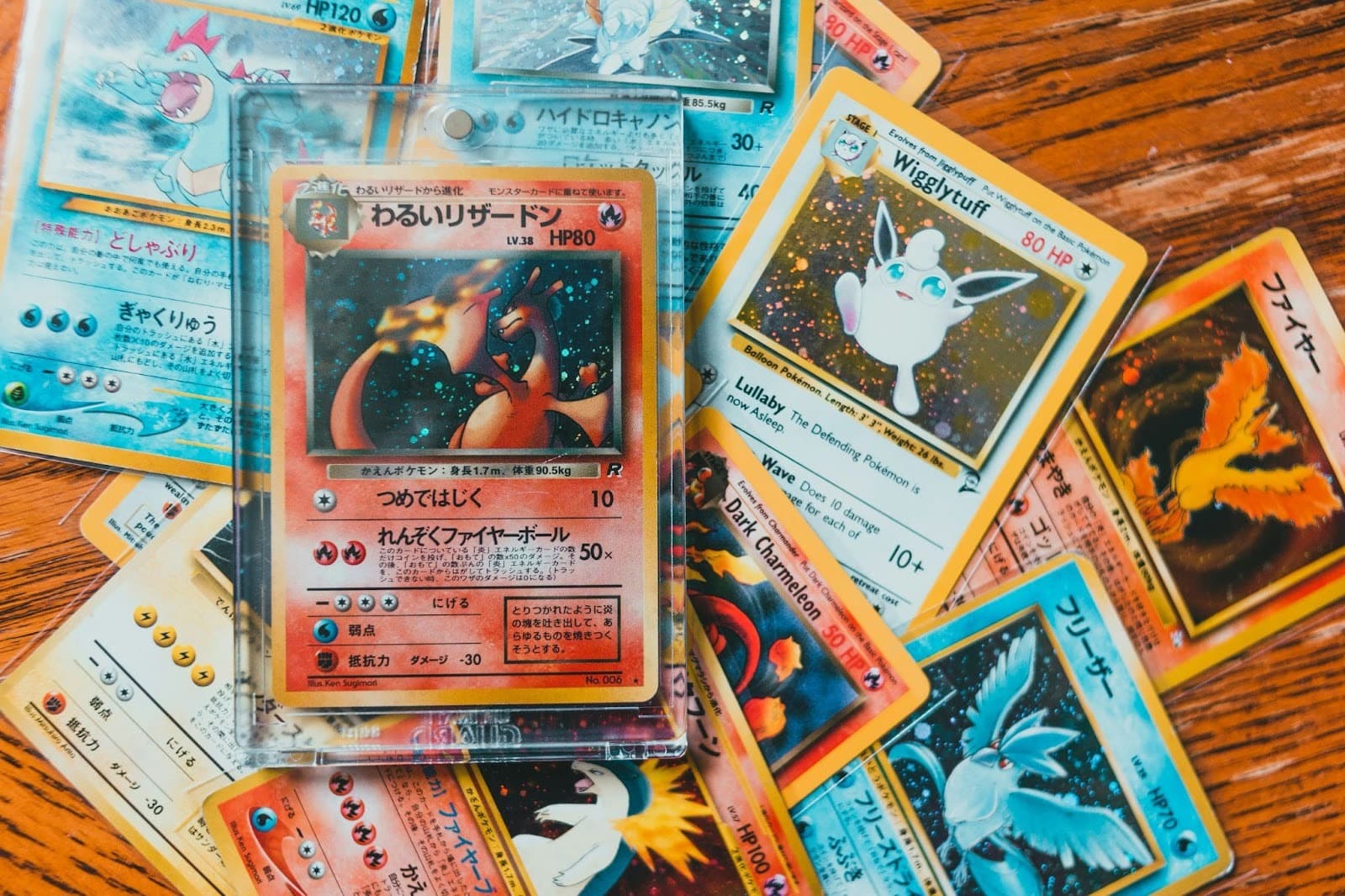
Pokémon, in particular, saw an extraordinary revival that pushed rare cards to record-breaking prices at auction and turned sealed products into some of the most sought-after collectibles on the planet.
What makes this resurgence different from previous waves of interest is that it has proven to be more than a passing trend.
The market has matured considerably, with professional grading services, dedicated online retailers, and a vibrant community infrastructure that gives the hobby real staying power well beyond the initial hype cycle.
Why Online Trading Card Stores Have Changed the Game
In the past, collectors were limited to whatever stock their local hobby shop happened to carry, which often meant settling for incomplete sets or missing out on popular releases entirely.
The rise of specialised online retailers has fundamentally changed this dynamic by giving collectors access to a vast inventory of singles, sealed products, graded cards, and accessories from a single storefront.
For Australian collectors, especially, online stores have been transformative because the local market was historically underserved compared to the United States and Japan.
Today, a dedicated trading card store can offer everything from the latest Pokémon Scarlet and Violet singles to One Piece sealed products, PSA grading services, and even live break events, all shipped directly to your door, regardless of where you live in the country.
Understanding the Different Ways to Collect
Modern trading card collecting offers several distinct approaches, and understanding these pathways helps newcomers find the entry point that best suits their interests and budget.
The most common categories include purchasing individual singles of specific cards you want, buying sealed products like booster packs and elite trainer boxes for the thrill of the pull, and investing in professionally graded cards that have been authenticated and scored by services like PSA.
Singles purchasing appeals to collectors who know exactly which cards they want for their collection or competitive deck without leaving anything to chance.
Sealed product opening, on the other hand, delivers the excitement and anticipation that makes collecting so addictive, as every pack contains the possibility of pulling a chase card worth many times the purchase price.
The Role of Professional Grading
Professional card grading has become one of the most significant developments in the trading card industry, establishing a standardised way to assess and verify the condition of individual cards.
Services like PSA assign each card a numerical grade based on its centering, corners, edges, and surface quality, and this grade directly influences the card’s market value and desirability among collectors.
A raw card in excellent condition might sell for a modest sum, but that same card encased in a PSA 10 slab can command prices many times higher because the grade provides buyers with absolute confidence about what they are purchasing.
The grading process has brought a level of transparency and trust to the secondary market that simply did not exist when collectors had to rely on their own assessment of a card’s condition through low-resolution photos.
Live Breaks: A New Way to Experience Collecting

One of the most innovative developments in the online trading card space is the live break format, where a host opens sealed products on camera in real time while participants purchase slots for a chance at the cards pulled.
This format combines the social excitement of opening packs with friends with the convenience of online shopping, creating an experience that has proven hugely popular with collectors of all ages.
Live breaks also make premium sealed products more accessible because multiple participants share the cost of an expensive box rather than one person bearing the entire expense.
This democratisation of high-end collecting means that enthusiasts on a modest budget can still participate in opening products that might otherwise be beyond their individual reach.
Building a Collection With Purpose
The most rewarding approach to trading card collecting involves setting clear goals rather than buying impulsively without a plan.
Some collectors focus on completing entire sets from a specific era, while others chase particular artists, specific character cards, or the highest graded examples of their favourite pieces.
Having a defined collecting strategy not only makes the hobby more enjoyable but also tends to produce better financial outcomes over time.
Focused collections built around a coherent theme or a particular set tend to appreciate more consistently than scattered assortments of random cards purchased without any guiding vision.
The Investment Side of Trading Cards
While collecting should always be driven primarily by passion and enjoyment, it is impossible to ignore the investment dimension that has become a significant part of the trading card conversation.
Rare Pokémon cards, first edition prints, and high-grade vintage pieces have delivered returns that rival or exceed traditional investment assets over certain time periods.
However, treating trading cards purely as financial instruments carries real risk, and newcomers should approach the market with realistic expectations.
Scaling an e-commerce business emphasises understanding market trends and customer behaviour, which is essential for anyone operating in a fast-moving retail space, and this principle applies equally to collectors who need to understand what drives value in the card market before committing significant funds.
Protecting and Storing Your Collection
Once you begin accumulating cards of meaningful value, proper storage and protection become essential considerations that many beginners overlook.
At a minimum, every card worth keeping should be placed in a penny sleeve and then into a top-loader or magnetic holder, while higher-value pieces deserve even more robust protection, such as graded slabs or fireproof storage solutions.
Environmental factors like humidity, direct sunlight, and temperature fluctuations can cause warping, fading, and other damage that permanently reduces a card’s condition and value.
Australian collectors need to be particularly mindful of heat and humidity, especially during summer months, and should store their collections in climate-controlled areas of the home rather than in garages, sheds, or attics.
The Community Aspect of Collecting
One of the most underappreciated benefits of trading card collecting is the vibrant community that surrounds the hobby, both online and in person.
Social media groups, Discord servers, YouTube channels, and local meetups connect collectors with like-minded enthusiasts who share tips, trade cards, discuss market trends, and celebrate each other’s pulls and finds.
This sense of community transforms collecting from a solitary activity into a genuinely social experience that builds friendships across geographic and generational boundaries.
Many collectors report that the relationships they have formed through the hobby are just as valuable as the cards themselves, and this human connection is a major reason why people remain engaged with collecting for years and even decades.
Choosing the Right Retailer
The retailer you choose to purchase from can significantly impact your collecting experience, and not all trading card sellers offer the same level of quality, authenticity, and customer service.
Reputable stores maintain strict quality control standards for their singles inventory, provide accurate condition descriptions, use protective packaging for shipping, and offer transparent pricing that reflects genuine market values.
Beyond product quality, the best retailers also add value through services like professional grading submissions, buy and trade programs that help you convert unwanted cards into store credit, and curated selections that make it easier to find what you are looking for without scrolling through thousands of irrelevant listings.
These additional services create a more complete collecting ecosystem under one roof.
Getting Started as a New Collector
If you are new to trading cards and feeling overwhelmed by the sheer volume of products, sets, and terminology, the simplest advice is to start with what genuinely excites you rather than what the market tells you to buy.
Whether that means picking up a booster pack of the latest Pokemon set because you love the artwork, or hunting down a specific One Piece character card that resonates with you, personal connection is what sustains long-term enjoyment.
The trading card hobby rewards patience, curiosity, and a willingness to learn, and the best part is that there is no wrong way to participate as long as you are having fun.
From casual collectors who open a pack now and then to serious investors building museum-quality graded collections, the modern trading card marketplace has room for everyone and continues to grow in ways that would have seemed impossible just a few years ago.