The Benefits Of Protective Exterior Finishes For Manufacturing Plants
Manufacturing plants represent massive investments in steel and concrete. These structures face constant attack from rain, sun, and industrial chemicals. Without a layer of protection, metal surfaces quickly start to degrade.
Keeping up with exterior finishes helps a business avoid deep repair costs. A fresh coat of paint does much more than make a building look new. It serves as a shield against the elements that would otherwise destroy heavy machinery and building foundations.

Managing Global Corrosion Expenses
Rust represents a silent thief for many industrial operations. A report from a global corrosion authority suggests that metal degradation costs the world economy over $2.5 trillion every year – this sum equals about 3.4% of the global GDP.
Plant managers who ignore exterior maintenance often find themselves paying for early replacements. Small spots of rust can spread across a roof or storage tank if left untreated. Catching these issues early keeps the facility running without unplanned downtime.
Protecting Structural Integrity
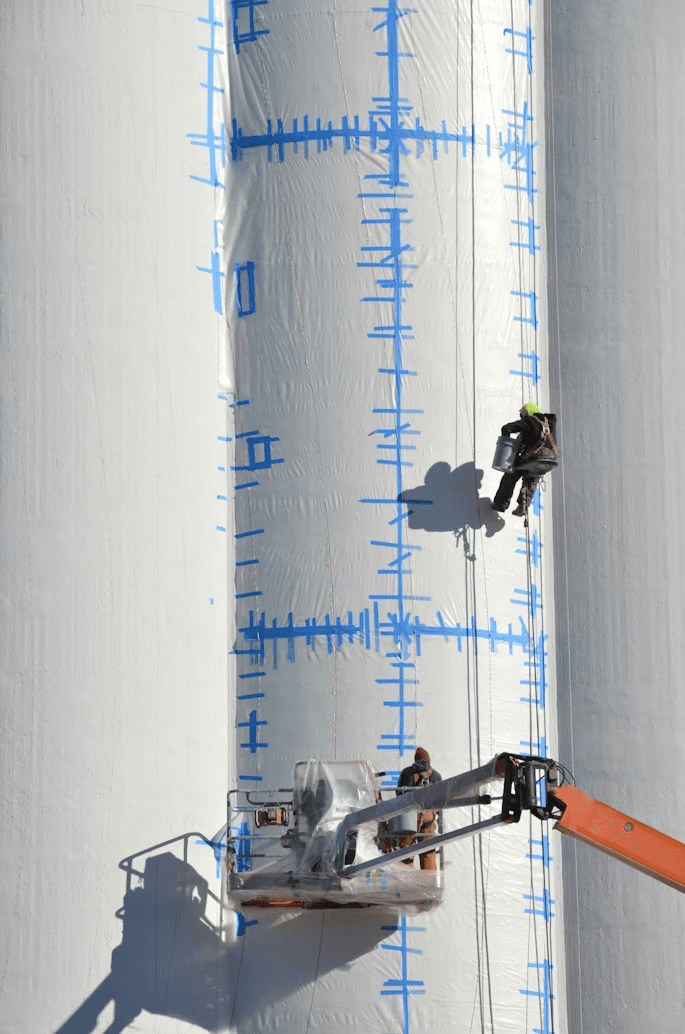
Proper maintenance prevents structural failure. You can go now to see how the professional application works. This step keeps the plant safe for workers.
Metal infrastructure needs a barrier to withstand harsh environments over many decades. A durable finish stops moisture from reaching the steel frame. Without this protection, the very bones of the building can weaken.
Improving Energy Savings
Exterior finishes can change how a building handles heat and cold. Data from the Department of Energy shows that cool roof coatings can lower energy use by as much as 15%.
These finishes reflect sunlight away from the plant instead of letting the roof soak up heat. Lower cooling bills mean more money stays in the operating budget. Workers feel more comfortable when the building does not trap excess heat during the summer months.
Improving Safety and Visibility
Safety systems often rely on visual cues to prevent accidents in a busy work zone. Occupational health regulators mention that color-coded wall and floor coatings make hazards easier to see.
Bright colors mark off traffic lanes for forklifts and pedestrians. This simple change reduces the chance of collisions and falls. Clear markings tell everyone where it is safe to walk and where they need to stay alert.
Modern Coating Technologies
New chemistry has created finishes that act smarter than basic paint. Scientific research published in a materials journal explains how self-healing coatings use microcapsules to fix scratches.
If the surface gets nicked, the capsules break and seal the gap automatically. This prevents rust from starting under the film, where no one can see it. Industry news outlets report that fluoropolymer technology now provides over 30 years of color retention.
Modern industrial finishes include several key features:
- Self-repairing molecules that stop sub-film rust
- Long-term resistance to fading from UV rays
- Fire-retardant layers that swell up during heat events
- Chemical resistance for areas with high acid exposure
Standardized Protection and Fire Defense

Quality control for painting follows specific international benchmarks. Global standard organizations use ISO 12944 to judge how well a paint system protects steel.
Following these rules makes sure that a facility gets the right level of defense for its specific climate. Fire safety improves with specialized layers. A materials performance publication describes how intumescent coatings expand to form a char layer during a fire. This layer insulates the steel and gives people more time to exit the building safely.
Maintaining a Clean Manufacturing Space
Some industries need to focus on more than just rust and weather. Manufacturing news sources note that antimicrobial finishes on surfaces stop the growth of germs.
This is very useful in food and beverage plants where hygiene is a top priority. Keeping surfaces clean prevents the spread of illness among the workforce. These specialized coatings handle frequent scrubbing with harsh cleaning agents without peeling away.
Strategic Asset Management
A proactive approach to painting protects more than the building facade. It keeps the internal machinery shielded from humidity and chemical drift.
Managers who schedule regular inspections catch peeling paint before it turns into a structural leak. This saves thousands of dollars in emergency repairs. Professional finishes create a durable seal that lasts for several decades with minimal touch-ups.
Building a Professional Image
The appearance of a manufacturing plant sends a message to clients and partners. A clean, well-painted exterior shows that the company cares about quality and safety.
It helps recruit new talent by providing a bright and professional environment. Neighbors in the local community appreciate a facility that looks well-maintained. This investment builds trust and shows that the business is here to stay for a long time.
Investing in high-quality exterior finishes is a smart move for any plant owner. It protects the physical assets that make production possible. Regular maintenance saves money on energy and repairs and keeps the staff safe. A well-maintained facility reflects the professional standards of the company. Taking care of the outside of the building makes sure that the work inside continues without interruption. These finishes are a necessary part of a long-term business strategy.