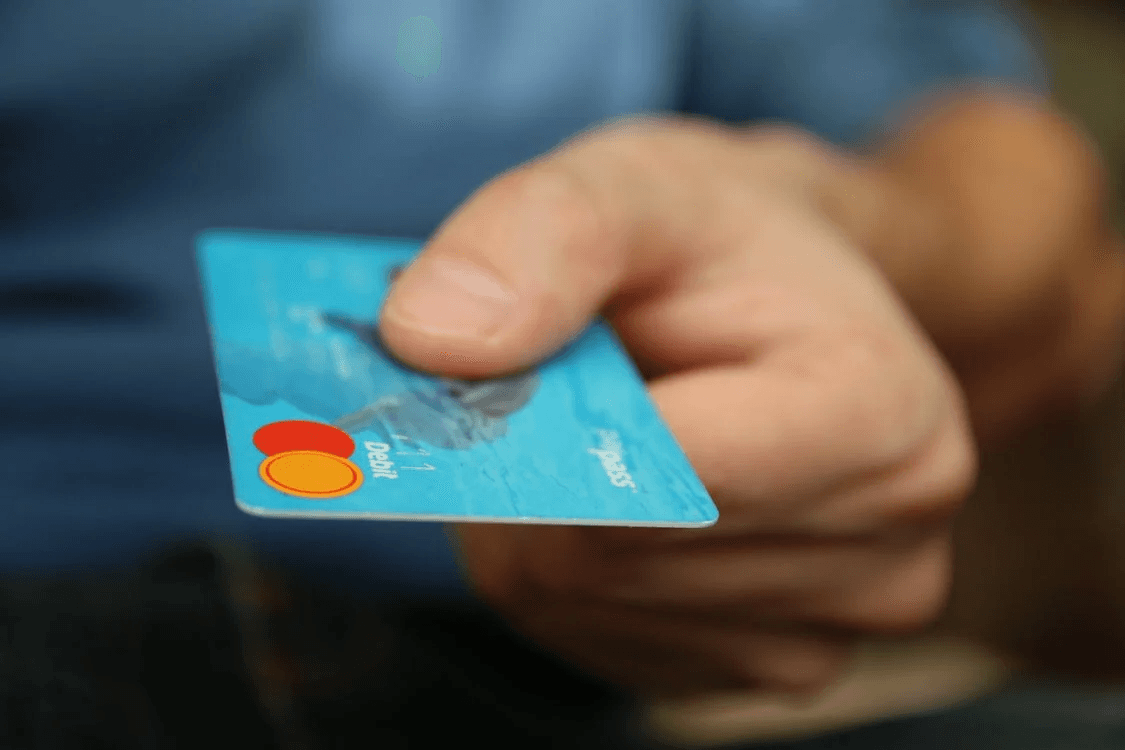
Mobile Payment Features That Keep Customers Coming Back
Image by freepik
Customers don’t stick around just because a mobile payment works. They come back because it works well. Fast checkout matters. One-tap reordering matters. The difference between a single transaction and a loyal customer often comes down to how smoothly that payment experience unfolds, and businesses that understand this are already miles ahead of the competition. Mobile payments have moved beyond simple convenience. They are now central to customer retention. When payments feel effortless, remember preferences, and remove friction, customers notice and return.
Saved Payment Methods
Stored payment methods sit at the top of the list. Nobody wants to dig out their wallet every single time. Customers expect apps to remember their card details securely. This single feature can reduce cart abandonment by a significant margin, especially when combined with biometric authentication that adds security without adding steps.
Grocery delivery apps have dramatically reduced checkout times simply by storing payment information. Amazon pioneered one-click ordering in 1997, and the impact still resonates across retail. The convenience factor alone keeps customers returning to platforms where they’ve already saved their payment details. It becomes easier to stay than to switch.
Automatic Loyalty Rewards
Loyalty integration works quietly in the background but delivers loud results. When payment apps automatically apply rewards points or discounts during checkout, customers feel valued. They see immediate benefit.
A retailer can connect payment status to a clearly explained loyalty program. Show earned rewards and applicable restrictions consistently, without encouraging customers to spend more than intended or obscuring the purchase price.
Split Payment Options
Split payments don’t just help customers buy. They help them come back. When people know they don’t have to pay for everything at once, shopping feels less stressful. Buy now, pay later (BNPL) options let customers spread costs out in a way that feels manageable. Some apps also allow payments to be split across cards. That flexibility builds confidence and reduces second thoughts.
Buy now, pay later terms vary by provider and product. Some products split an eligible purchase into installments; interest, fees, payment schedules and purchase limits should be checked before they are presented to customers. For a merchant, the relevant questions include checkout fit, total acceptance cost, refunds and dispute responsibilities.
Transaction History
Real-time transaction history builds trust. Customers want to see what they bought. They want to know when they bought it. They want to see the exact amount. Clear receipts inside the app prevent confusion. They also cut down on support requests. Instant payment alerts give peace of mind. Customers know right away that everything worked.
The faster customers receive confirmation, the more confident they feel about their purchase. Food delivery apps excel here, showing every detail from item cost to delivery fees. Travel apps provide breakdowns of flights, hotels, and add-ons in a single view. This clarity prevents billing disputes before they start. When customers trust what they see, they’re more likely to return and buy again.
Multiple Payment Methods
People like to pay in different ways. Some use digital wallets. Others prefer credit cards. A few stick with bank transfers. Apps that support all of these feel easier to use. And that ease matters. In fact, 86% of consumers say simple, easy-to-use payments affect their choice.
Many apps already do this well. Ride-sharing apps let users switch payment methods during a trip. Travel apps save different cards for different bookings. Online stores accept PayPal, Apple Pay, and even crypto. More options remove friction. Less friction leads to more completed and repeat purchases.
Fraud Protection
Security should protect users without slowing them down. The best apps handle safety in the background. Features like fraud alerts and spending limits keep accounts safe while checkout stays fast. When protection feels effortless, customers trust the platform more. That trust makes them comfortable saving payment details and spending more over time.
Many apps already work this way. Banking apps use face or fingerprint scans instead of passwords. Card networks block suspicious charges automatically. Extra checks happen through device recognition, not pop-ups. Security stays strong, but customers barely notice it’s there.
Why These Mobile Payment Features Matter
The best mobile payments do more than move money. They make things easier. They remove small annoyances. They build trust over time. Checkouts feel quick and natural. Security works quietly in the background. When payments stop grabbing attention, customers focus on what they’re buying. That ease creates comfort. Comfort turns one-time purchases into habits. And habits are what keep customers coming back.