Letter of Demand in Malaysia and Garnishee Orders

Debt recovery in Malaysia usually follows a structured and progressive legal path. While many disputes can be resolved through negotiation, unresolved debts often require formal legal intervention. Two key mechanisms frequently encountered in Malaysian debt recovery are the Letter of Demand (LOD) and the garnishee order.
A Letter of Demand represents the earliest formal step, signaling that a creditor is asserting legal rights and expects payment within a specified timeframe. A garnishee order, by contrast, is a post-judgment enforcement tool that allows a creditor to recover monies owed directly from a third party who holds funds belonging to the judgment debtor, most commonly a bank.
Although these two tools operate at very different stages of the debt recovery process, they are closely connected. Together, they illustrate how Malaysian law balances early dispute resolution with strong enforcement mechanisms. This article provides a detailed explanation of the role, purpose, and practical operation of Letters of Demand in Malaysia and garnishee orders.
Understanding a Letter of Demand in Malaysia
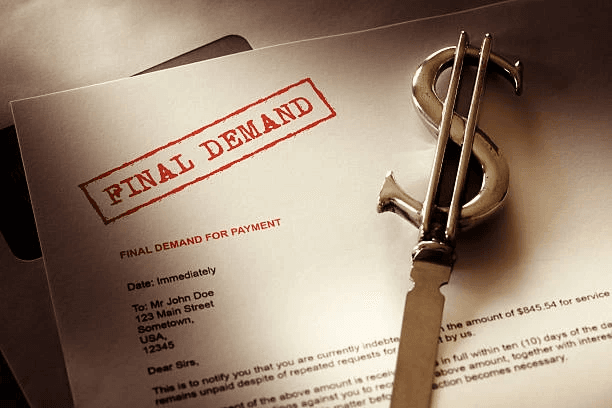
A Letter of Demand in Malaysia is a formal written notice sent by or on behalf of a creditor to a debtor demanding payment of an outstanding sum. It sets out the basis of the claim, the amount owed, and a deadline for payment. While it is not a court document, it carries legal significance and often marks the transition from informal reminders to formal legal action.
In Malaysia, Letters of Demand are commonly issued by lawyers, lending credibility and seriousness to the demand. However, the effectiveness of an LOD depends on its clarity, accuracy, and compliance with legal expectations.
Purpose of a Letter of Demand
The primary purposes of a Letter of Demand include:
Informing the debtor of the outstanding obligation


Providing an opportunity to settle before litigation


Demonstrating seriousness and intent to take legal action


Creating a written record of the demand
By issuing an LOD, a creditor shows that reasonable steps have been taken to resolve the matter without immediately resorting to court proceedings.
Typical Contents of a Letter of Demand
A well-drafted Letter of Demand usually contains:
Identification of the parties


Description of the debt or obligation


Amount claimed and how it is calculated


Deadline for payment


Consequences of non-compliance
The tone of the letter is firm but professional, aiming to encourage compliance rather than escalate hostility.
Legal Significance of a Letter of Demand
Although an LOD does not itself commence legal proceedings, it plays an important supporting role. It may later be used to demonstrate that the debtor was given notice and an opportunity to pay. In some cases, failure to respond reasonably to an LOD may influence cost considerations in subsequent litigation.
The LOD stage often leads to negotiation, restructuring of payments, or settlement, saving time and legal costs for both parties.
Consequences of Ignoring a Letter of Demand
Ignoring a Letter of Demand rarely makes a problem disappear. If no satisfactory response is received, the creditor may proceed to file a legal action to obtain a judgment. This escalation significantly increases potential liability, including legal costs and interest.
Thus, an LOD functions as a clear warning that stronger legal steps may follow.
Transition from Demand to Judgment
If a Letter of Demand does not result in payment or settlement, the creditor may commence court proceedings. Once the court determines that the debt is owed, a judgment is entered against the debtor. At this stage, the debt becomes a judgment debt, opening the door to enforcement mechanisms.
One of the most effective enforcement tools available in Malaysia is the garnishee order.
Introduction to Garnishee Orders
A garnishee order is a court order that directs a third party, known as the garnishee, to pay money owed to the judgment debtor directly to the judgment creditor instead. In practice, the garnishee is often a bank that holds funds in the debtor’s account.
This mechanism allows creditors to bypass the debtor and recover the judgment sum directly from accessible funds.
Purpose of Garnishee Orders
The purpose of a garnishee order is to enforce a judgment efficiently by attaching debts due or accruing due to the judgment debtor from a third party. It is particularly effective where the debtor is unwilling to pay voluntarily but has identifiable funds.
Garnishee proceedings ensure that a judgment is not rendered meaningless by non-cooperation.
How Garnishee Proceedings Operate
Garnishee proceedings typically involve two stages. The first is a provisional order that restrains the garnishee from releasing funds to the debtor. The second stage involves a hearing where the court determines whether the funds should be paid to the creditor.
If satisfied, the court will make the garnishee order absolute, compelling payment to the judgment creditor.
Role of Third Parties
An important feature of garnishee orders is the involvement of third parties. These parties are not original litigants but are drawn into the process because they owe money to the judgment debtor.
Banks, employers, and business partners may all potentially be garnishees, depending on the circumstances.
Advantages of Garnishee Orders
Garnishee orders offer several advantages:
Direct access to funds


Reduced reliance on debtor cooperation


Strong enforcement power


Relatively efficient recovery
For creditors, garnishee proceedings are often more effective than repeated demands or negotiations after judgment.
Limitations and Practical Challenges
Despite their effectiveness, garnishee orders have limitations. They depend on the existence of funds held by third parties and accurate identification of garnishees. Funds that are not due or are legally protected may not be attachable.
Courts also ensure that garnishee proceedings are conducted fairly, balancing enforcement with third-party rights.
Relationship Between LOD and Garnishee Orders
The Letter of Demand and garnishee order represent opposite ends of the debt recovery spectrum. The LOD is preventive and persuasive, while the garnishee order is coercive and enforceable.
A properly issued LOD may avoid the need for litigation and enforcement. Conversely, failure to heed an LOD may ultimately expose the debtor to garnishee proceedings once judgment is obtained.
Strategic Considerations in Debt Recovery
From a strategic perspective, creditors should view the LOD as an opportunity to resolve disputes efficiently. Clear communication and reasonable deadlines often lead to settlement.
Where enforcement becomes necessary, garnishee orders should be used judiciously and based on reliable information about the debtor’s assets.
Responsibilities of Debtors
Debtors receiving a Letter of Demand should assess the claim carefully and respond promptly. Ignoring demands or court orders increases legal exposure and enforcement risks.
Once a garnishee order is made absolute, the debtor has little control over attached funds.
Conclusion
The Letter of Demand and garnishee order are essential components of Malaysia’s debt recovery framework. The Letter of Demand serves as an early, formal step that encourages voluntary compliance and settlement. It reflects fairness by giving debtors notice and opportunity to resolve disputes without litigation.
The garnishee order, by contrast, is a powerful enforcement mechanism that ensures court judgments are respected and satisfied. By allowing recovery directly from third parties, it overcomes debtor resistance and reinforces the authority of judicial decisions.
Together, these mechanisms demonstrate the structured progression of debt recovery in Malaysia, from formal demand to effective enforcement, ensuring that legal rights are not only recognised but also enforceable in practice.