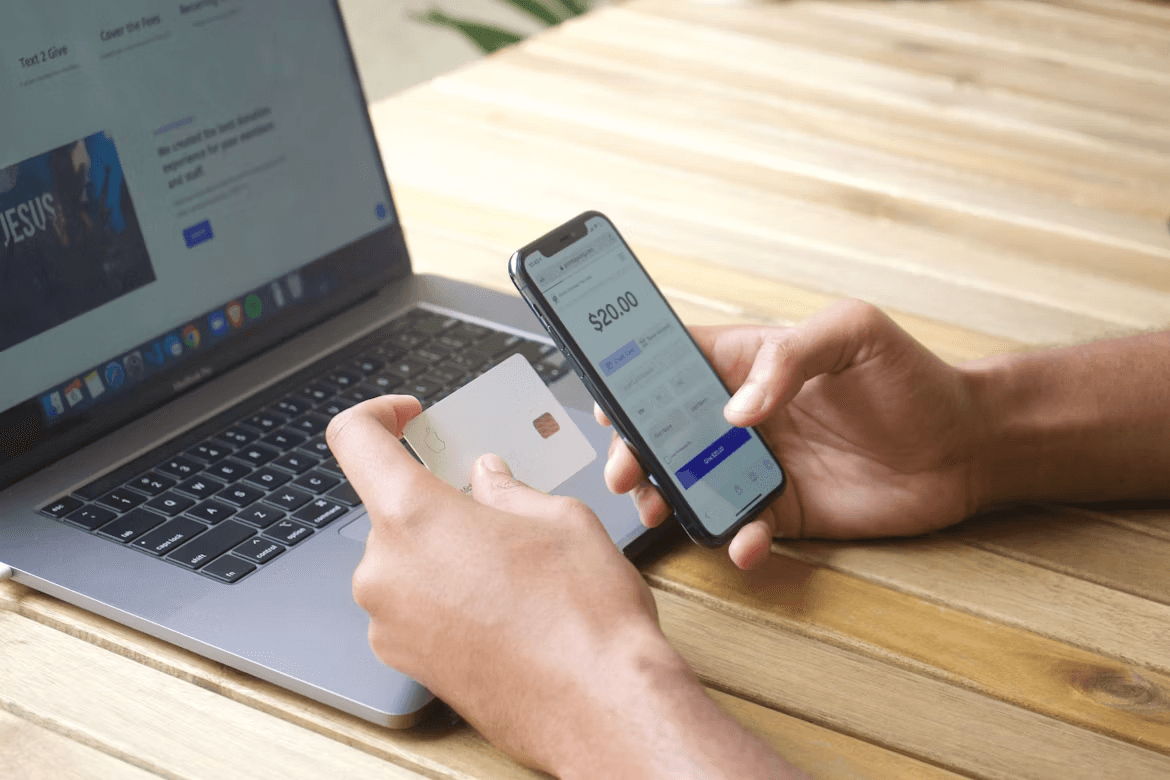
Boost Global Sales: Simplify International Payments

The internet has removed borders for businesses, creating a global marketplace accessible from a single website. While reaching customers worldwide is easier than ever, a big hurdle remains: getting paid. Simplifying how you accept international payments isn’t just a technical upgrade; it’s a core strategy for growing and competing globally.
This guide looks at how to make cross-border transactions smoother to boost your international sales.
Why Global Reach Matters
Expanding your business beyond your home country brings significant opportunities for growth and stability. Tapping into international markets helps you spread out your revenue, making you less dependent on one economy. A global customer base provides a cushion against local market ups and downs and seasonal slowdowns.
Plus, selling internationally builds brand recognition on a wider scale, establishing your company as a global player. This increased visibility can attract new partnerships, talent, and investment that might otherwise be out of reach.
Challenges of Cross-Border Transactions
Selling to international customers adds a unique layer of financial complexity. One of the biggest problems is currency conversion. Customers often face high, unclear exchange rates and foreign transaction fees from their banks, which can lead them to abandon their carts.
For businesses, the challenges of cross-border payments also include navigating different rules, managing higher fraud risks, and dealing with slow settlement times that can tie up cash flow for days or even weeks. These issues create friction for both the buyer and the seller, making international commerce feel complicated and expensive.
The Role of a Payment Gateway
A payment gateway is the technology that securely captures and sends payment information from the customer to the merchant’s bank account. For global e-commerce, its role becomes even more vital. It acts as a bridge, simplifying the complexities of international transactions.
A modern gateway can automatically handle currency conversions, check for fraudulent activity, and ensure compliance with various international security standards. This is where a dedicated payment gateway for international payments becomes essential, providing the infrastructure to securely and efficiently manage these complex transactions without needing to become an expert in global finance.
Selecting Your International Gateway
Choosing the right payment gateway is a crucial decision for any business with global ambitions. Not all providers are the same, so it’s important to evaluate them based on several key factors.
- Currency and Country Support: Make sure the gateway supports the currencies and countries of your target markets. The more local payment options you can offer, the better.
- Fee Structure: Look for clear pricing. Understand the fees for currency conversion, cross-border transactions, and chargebacks. Avoid gateways with hidden costs that can cut into your profits.
- Security and Compliance: Your gateway must fully comply with international security standards. At a minimum, look for providers that follow PCI DSS compliance to protect sensitive customer data.
- Integration and Support: The gateway should easily connect with your existing e-commerce platform. Good technical support is also vital for troubleshooting any issues that come up.
Multi-Currency Benefits for Businesses
Letting customers see prices and pay in their local currency is one of the most effective ways to boost international sales, and there are other tips to simplify the payment process. This practice, known as multi-currency pricing, directly builds trust and improves the customer experience.
When shoppers see a price in a familiar currency like euros, pounds, or yen, it removes the mental math and uncertainty of exchange rates. This transparency can significantly reduce cart abandonment and increase conversion rates. It shows customers you value their business and have tailored the shopping experience for them, creating a sense of comfort and professionalism that encourages repeat purchases.
Serving a global customer base requires a payment system built for that purpose. By simplifying how you accept money from around the world, you remove the biggest point of friction in the international buying process and set your business up for lasting growth.