How Coworking Spaces Are Reshaping the Modern Workday

The way people interact with their professional environments has shifted dramatically over the last decade. Static rows of cubicles and beige walls are no longer the default setting for a productive career. Instead, professionals are looking for settings that offer flexibility and a sense of energy that the old corporate model often lacked.
Adapting to a hybrid world means that the physical location of a desk is less important than the quality of the atmosphere surrounding it. Companies are realizing that fixed overhead and rigid schedules can actually stifle the very creativity they want to foster. This evolution is driven by a desire for autonomy and a more balanced approach to the daily grind.
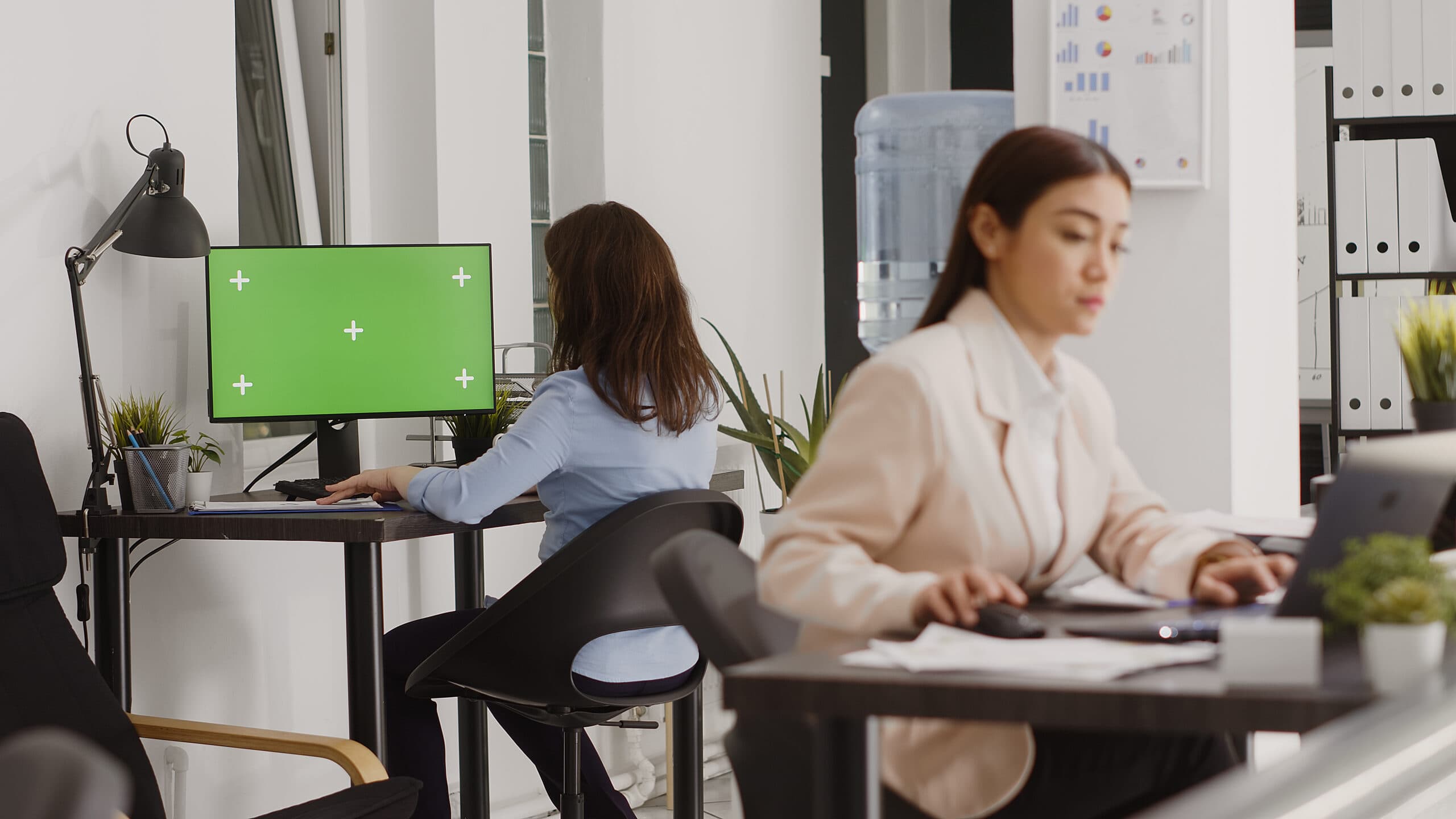
These new hubs of activity provide a middle ground between the isolation of a home office and the stiffness of a headquarters. Professionals from diverse industries now gather in these shared environments to find focus and social connection. The rapid rise of coworking spaces has fundamentally changed how we define the boundaries of a successful career.
The Shift Away From Traditional Offices
Long-term leases used to be a badge of honor for a growing business, but they are increasingly seen as a heavy anchor. Committing to a five-year contract on a massive footprint creates a level of financial risk that many startups simply cannot afford to take. Agility is the new currency in a market where conditions can change overnight without any warning.
Freelancers and small teams often find that the maintenance of a private suite is a distraction from their actual work. Dealing with utility bills, janitorial services, and furniture procurement takes time away from building a product or serving a client. Outsourcing the management of the physical environment allows for a much sharper focus on the primary goals of the venture.
The ability to scale up or down without a penalty is a massive advantage that traditional real estate cannot match. If a team grows from three people to ten, they can simply move to a larger room in the same building. This elasticity ensures that the physical workspace always fits the current needs of the organization rather than being a constant source of friction.
Community and Collaboration Effects
Working alone at a kitchen table can be productive for a while, but the lack of human interaction eventually takes a toll. Shared environments naturally solve this problem by surrounding a person with other driven individuals who are working on different projects. The ambient energy of a busy room helps maintain momentum even when a specific task becomes difficult or repetitive.
Networking happens organically over a coffee machine or in a lounge area without the forced awkwardness of a formal event. You might be sitting next to a lawyer, a graphic designer, or a software engineer who has the exact skill you need. These serendipitous encounters often lead to new partnerships and innovative ideas that would never happen in a closed office.
Productivity is also boosted by the social contract of being in a professional setting where others are working. It is much harder to get distracted by household chores when you are surrounded by people who are hitting their deadlines. This collective focus creates a rising tide that lifts the output and morale of everyone sharing the floor throughout the day.
Technology Enabled Workspaces
Modern work relies on more than just a desk and a chair; it requires a robust digital infrastructure to function. High-speed internet that never drops and secure networks are the minimum requirements for any professional today. Shared hubs invest heavily in these systems to ensure that their members can take video calls and upload large files without any lag.
Digital tools for booking meeting rooms and accessing the building through a smartphone have made the experience seamless. These integrated platforms allow for a hands off management style that respects the time of the busy professional. Automation handles the boring details of scheduling and billing, leaving the user free to concentrate on their high value tasks.
Advanced audio visual equipment in conference areas allows for professional presentations that would be impossible to host in a living room. Having access to high end printers, scanners, and ergonomic furniture provides a level of comfort that supports long term health. Technology acts as the silent backbone that makes the hybrid model a viable and attractive option for the modern workforce.
Economic and Urban Development Impact
The presence of shared hubs is breathing new life into downtown areas that were struggling with high vacancy rates. When hundreds of people flock to a specific building every day, they support the local cafes, restaurants, and retail shops nearby. This influx of foot traffic creates a micro economy that benefits the entire neighborhood and encourages further investment in the community.
Property owners are also changing their approach to how they manage their assets to keep up with the demand for flexibility. Instead of waiting months for a major tenant, they are dividing floors into smaller, more accessible units for multiple users. This diversification reduces the risk for the landlord and provides more opportunities for small businesses to enter the market.
Urban planning is beginning to reflect this shift by prioritizing mixed use developments that include places to live, work, and play. The goal is to create a more integrated city where the commute is shorter and the lifestyle is more sustainable. Shared offices are a key piece of this puzzle, acting as anchor points for a more dynamic and resilient urban ecosystem.
Conclusion
The transformation of the workday is far from over, but the direction is clearly toward more choice and autonomy. Shared environments have proven that a professional does not need a cubicle to be successful or a long lease to be stable. This model provides the perfect balance of structure and freedom that the modern workforce has been craving for years.
As the lines between different industries continue to blur, the value of diverse and inclusive workspaces will only increase. Being part of a community that values progress and collaboration is a powerful motivator for any career path. The physical office is no longer a destination of obligation, but a strategic tool that supports a well rounded and productive life.
Embracing these changes allows for a more human centric approach to work that respects individual needs and schedules. The lessons learned from the rise of these hubs will continue to influence how every company thinks about their corporate culture. Reshaping the workday is ultimately about creating more room for innovation and a more sustainable future for everyone involved.