How AI Is Changing Sales and Marketing for Merchants
Every business owner has heard that AI will change everything. For merchants who already obsess over conversion rates and customer experience, the promise is especially loud. Yet between the hype and the fear, it is hard to know what artificial intelligence can actually do for a growing business today. The honest answer is: quite a lot, if you approach it with clear eyes.

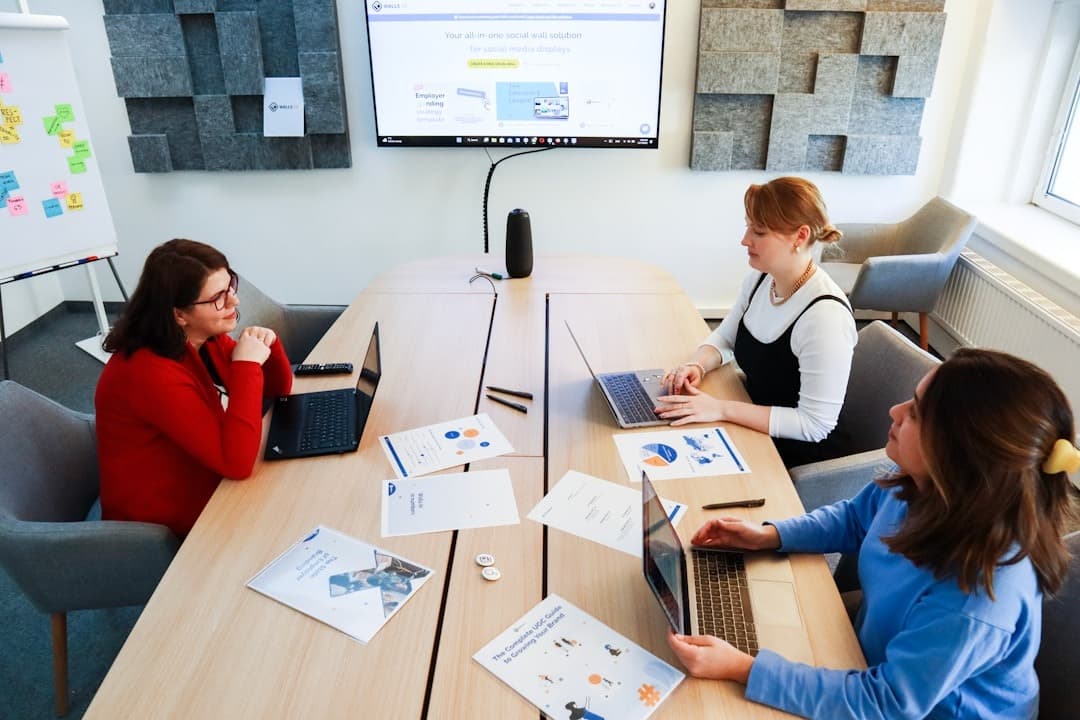
Alt text: A marketing team reviewing analytics on a screen
The businesses pulling ahead are not the ones with the biggest budgets. They are the ones whose teams know how to use these tools well. That is why structured learning, such as an AI for Sales and Marketing Course, has become a practical investment rather than a novelty. This guide covers what AI can do, the risks to watch, and how teams build real skills.
Why Is AI Reshaping Sales and Marketing?
Because it removes grunt work. Speed is the new edge.
AI can draft copy, segment audiences, and analyze results in a fraction of the old time. A helpful primer on how AI is transforming digital marketing is worth a read for the basics. That frees people to focus on strategy and genuine creativity.
The point is time. Automation frees people for higher-value work.
What Can AI Actually Do for a Small Business?
More than most expect. The uses are concrete.
From personalized email to smarter ad targeting, practical AI marketing workflows are already within reach of small teams. AI can also answer customer questions and score leads automatically. The trick is starting with 1 clear problem, not everything at once.
The rule is focus. Solve one single task really well first.
Is There a Risk In Adopting AI Too Fast?
Yes, and it is real. Speed without care backfires.

Photo by Justin Morgan on Unsplash
Alt text: A person using AI tools on a laptop
Rushed AI can spread errors, bias, or privacy problems at scale. The wider view in Brookings research on AI’s broader impact is a useful reminder to adopt these tools thoughtfully. Human review of AI output is not optional; it is the safeguard.
The rule is oversight. Trust the tool, but verify it.
How Are Regulators Responding?
With growing rules. Compliance is coming.
Governments are moving fast, and the EU work on AI regulation points to where the guardrails are heading. Even small businesses should track how data and AI rules evolve. Building good habits now avoids painful retrofits later.
How Do Teams Build Real AI Skills?
Through practice, not hype. Skills beat tools.
The steps that turn curiosity into capability are these 5:
- Start with a goal. Tie AI to a real outcome.
- Train the team. Structured learning beats guessing.
- Pick 2 or 3 tools. Master them before adding more.
- Keep humans in the loop. Always review output.
- Measure results. Drop what does not work.
Each step builds real competence. Together they turn AI from a buzzword into a genuine business tool.
What Should You Look for In Training?
Practical, current, and hands-on. Theory alone is not enough.
Good training focuses on real tasks your team faces daily, from writing to analysis. It should cover both the how and the responsible use of AI. Look for courses that keep pace with fast-moving tools rather than teaching last year’s tricks.
The rule is application. Learn by doing, not just watching.
Key Points to Keep In Mind
- AI speeds up copy, targeting, and analysis dramatically.
- Practical marketing workflows are within reach of small teams.
- Start with one clear problem, not everything at once.
- Adopt AI responsibly, with human review of output.
- Regulation is growing, so build good habits now.
- Invest in training so teams actually use tools well.
Turning AI Into an Advantage
AI is not a magic button, and it will not replace good judgment or genuine customer relationships. What it can do is hand your team hours back and sharpen everything from targeting to follow-up. The businesses that win with it are the ones that pair the right tools with people who know how to use them responsibly. Invest in those skills, start small, and keep a human hand on the wheel, and AI becomes a real competitive advantage rather than just another expense.
Frequently Asked Questions
Can Small Businesses Really Benefit From AI?
Absolutely. Many AI tools are affordable or even free, and they handle tasks that once needed a whole team, like drafting content, segmenting customers, and analyzing campaigns. The key is to start with one clear problem rather than trying to automate everything at once. With a focused approach and a little training, even a very small business can see real gains in time and results.
Is AI Going to Replace Marketing Jobs?
It is changing them more than replacing them. AI handles repetitive tasks, which frees people for strategy, creativity, and relationship building that machines cannot replicate. The professionals who thrive are those who learn to work alongside these tools rather than compete with them. In practice, AI skills are becoming a core part of the job, which is why training matters so much.
How Do I Start Using AI In My Business?
Begin with a single, well-defined task, such as writing product descriptions or sorting leads. Choose one reputable tool, learn it properly, and measure whether it actually saves time or improves results. Keep a human reviewing the output for accuracy and tone. Once that works, expand gradually. Structured training can shortcut a lot of trial and error and help your team adopt AI with confidence.
Do I Need Technical Skills to Use AI Tools?
Not usually. Most modern AI marketing tools are designed for everyday users, not engineers, and rely on plain-language prompts rather than code. What helps more is knowing how to ask good questions, judge the output, and fit AI into your existing workflow. A practical course focused on real business tasks is often more useful than any technical background for getting results.