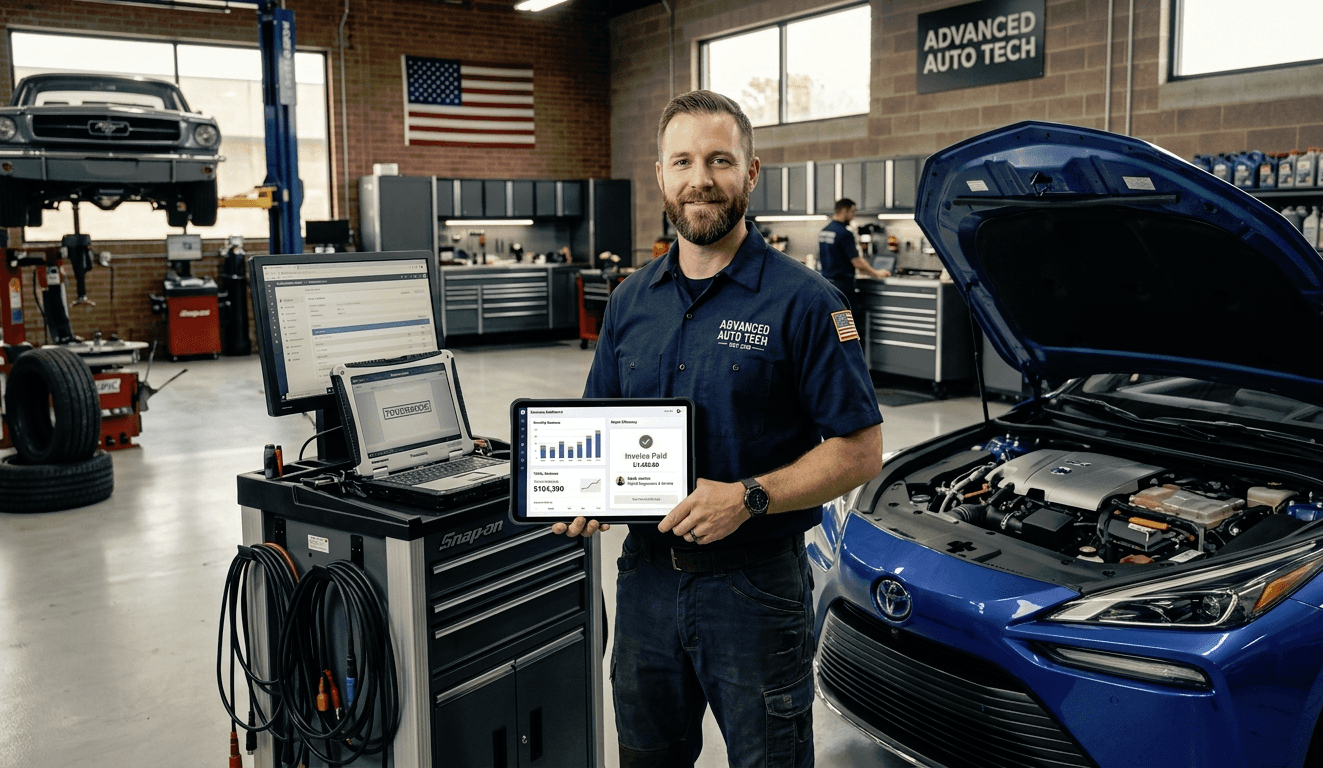
From Skilled Trade to Small Business Owner: How to Turn Technical Skills into Profit
Every day, about 825 new installation and repair jobs open up across the country, yet the supply of qualified technicians continues to lag. If you have spent years mastering a technical craft like automotive repair or HVAC, you are sitting on the most inflation-proof asset in the modern economy. Turning those hands-on skills into a profitable small business is no longer just a career move; it is a strategic shift toward financial sovereignty in a market that is desperate for your expertise.

The Technician To Owner Transition
The primary barrier to entry for most trade entrepreneurs is not a lack of skill, but a lack of specialized systems. While technical mastery gets you through the door, operational discipline is what keeps the lights on. In the automotive sector alone, individual manufacturers like Ford face a 5,000-strong shortfall in qualified technicians, creating a massive “seller’s market” for independent shop owners who can provide reliable service.
To successfully bridge this gap, you must treat your technical credentials as the foundation for a larger brand. Most successful owners begin by formalizing their training and securing the digital tools necessary to manage a modern workflow.
As vehicle technology becomes more software-driven, even experienced technicians risk falling behind without updated certifications and diagnostic training. For technicians looking to stay competitive or expand into higher-margin services, accessing programs through an automotive training institute login like Arizona Automotive Institute can help bridge that gap with hands-on, industry-relevant education.
Once your technical foundation is solidified, your transition to ownership requires three non-negotiable steps:
- Registering your business as an LLC to protect your personal assets from professional liability
- Opening a dedicated business line of credit to manage equipment costs and emergency overhead
- Setting up a localized digital presence so neighbors can find your services via search
Building A Scalable Service Infrastructure
In 2026, a tradesperson’s most valuable tool isn’t in their truck; it’s the software in their pocket. Consumer expectations have shifted toward a digital-first experience, with customers wanting to book, track, and pay for services on their smartphones. Data shows that 81% of small business owners now consider technology critical to their ability to stabilize and grow.
If you are still using paper invoices and cash-only payments, you are not following best practices and will be hemorrhaging billable hours and professional credibility. Transitioning to a digital invoicing and payment system allows you to capture revenue the moment the job is finished. This focus on “cash flow velocity” is what separates a technician who is just “staying busy” from a business owner who is building a scalable enterprise.
Securing Long-Term Trade Profitability
The “Silver Tsunami” of retiring tradespeople is leaving a void that the current workforce cannot fill, with 349,000 construction and trade roles needing to be filled this year alone. This vacuum is your opportunity to command higher rates and choose the high-margin projects that generalists often overlook. By combining your technical training with modern financial tools, you transform from a laborer into a leader.
Check our blog for more insights on managing business finances and other aspects of modern operations.