How In-Store Digital Displays Are Changing What Happens Before the Payment
Most retailers put a lot of thought into their payment setup. Which terminal, which processor, and which checkout flow? That’s the right instinct. But a lot of that work happens downstream of a problem most businesses don’t think about: what’s the customer doing in the minutes before they reach that point?
The answer, increasingly, is looking at a screen.
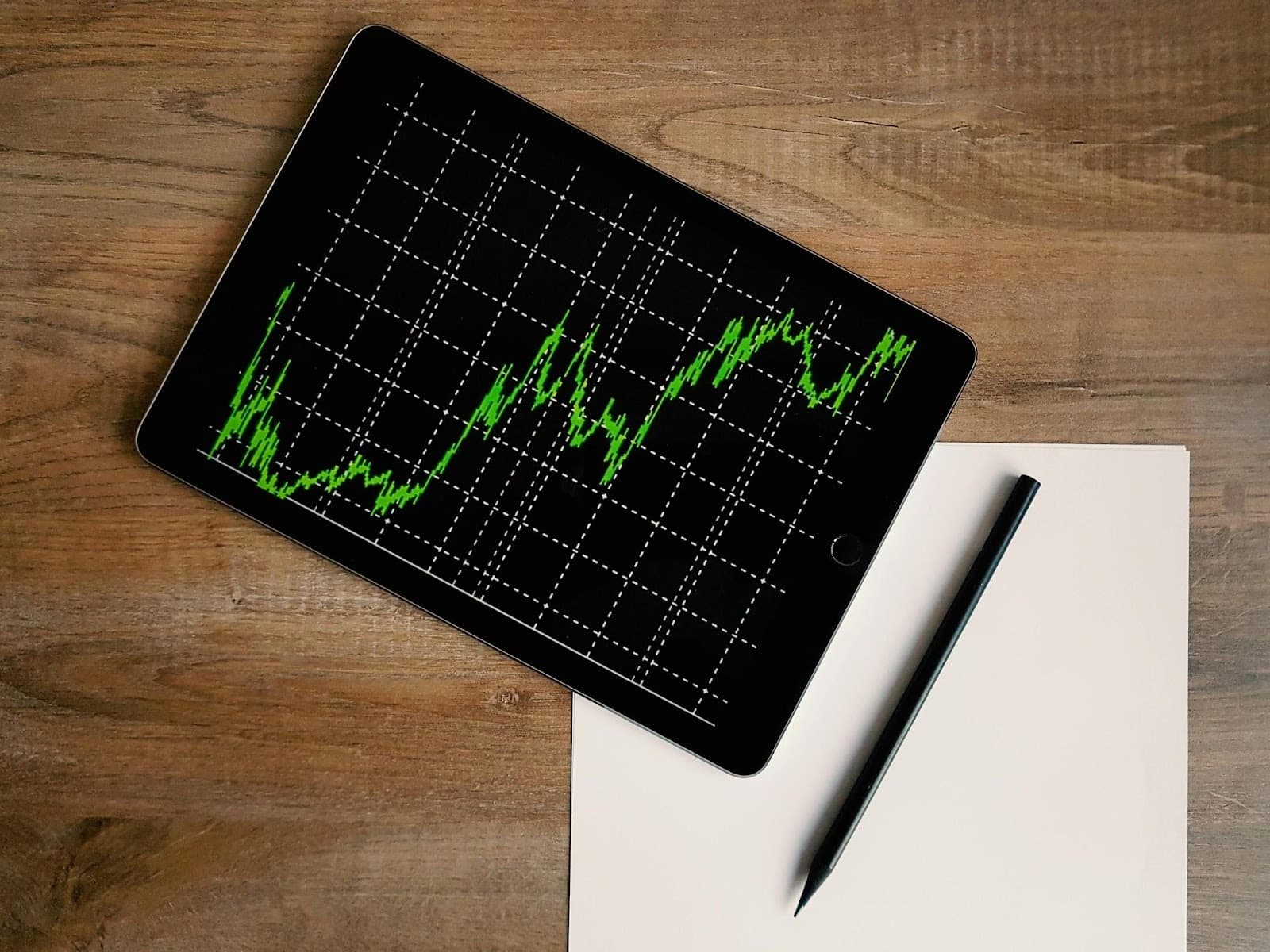
Digital signage has moved from lobby decoration to a real driver of in-store behavior. Checkout areas in particular have become a focus, partly because that’s where attention is highest and partly because it’s where purchase decisions are still being made. Research consistently points to checkout zones as the highest-engagement display location in a store, with more than half of shoppers actively noticing screens placed there. For retailers who have already invested in payment infrastructure, that’s a meaningful piece of context. The same moment you’re processing a transaction is also your best shot at reinforcing a buying decision.
For example, a Windows digital signage player can give retailers a way to manage display content across multiple locations without proprietary hardware lock-in, integrating into existing IT infrastructure through familiar tools like Group Policy and Active Directory. While Windows-based systems are common in enterprise environments, other platforms can serve similar functions depending on existing infrastructure. What matters more than the specific platform is whether the hardware can handle content-heavy schedules reliably and be managed remotely without sending someone to each location.
Why the Checkout Area Is Underused
Walk into most retail stores, and the screens near the payment counter are running screensavers or looping the same promotional clip from six months ago. The content management fell behind, or nobody was assigned to update it, or the original setup didn’t make remote updates easy enough to bother with.
That’s a gap worth closing. A peer-reviewed study published in the Journal of Marketing, which analyzed 237 advertising campaigns across roughly 30 million shopper visits, found that in-store digital signage increases the likelihood of purchasing featured products by 8.1% and delivers an advertising elasticity 50% higher than traditional methods. The screens aren’t just decorative. They’re measurably moving buying decisions at exactly the moment that matters most.
The checkout counter is also where perceived wait time matters. Shoppers who are watching something tend to feel less friction during a slow transaction than those staring at a blank wall. That’s good for customer satisfaction and, by extension, for repeat visits.
The In-Store Experience Is Still Where Decisions Get Made
It’s worth stepping back here. There’s been a lot of noise about e-commerce displacing physical retail, but the data from large institutions tells a different story about where purchase decisions actually happen. A joint study by IBM and the National Retail Federation, which surveyed more than 18,000 consumers across 23 countries, found that nearly three-quarters of shoppers still make purchases in physical stores. People want to see and touch products. The in-store moment remains real, which means what happens inside that moment still matters.
Digital displays sit squarely inside that moment. They’re not a substitute for online channels. They’re part of what makes a physical store work harder.
Connecting Display Content to Payment Behavior
Here’s where the real opportunity is and where most retailers leave value on the table.
Payment systems already generate behavioral data: which products move at different times of day, which promotions are driving add-on purchases, and what the average basket looks like by hour. The same systems that process transactions are sitting on information that could directly inform what’s on screen at any given moment. In practice, those systems rarely intersect.
A retailer noticing increased add-on purchases of cold beverages in late afternoons, for example, could prioritize those promotions on checkout displays during that window. That’s not a technology problem. It’s a visibility problem, and display infrastructure is the fix.
Payment analytics and display systems operate on the same customer moment. A shopper standing at a register isn’t just completing a transaction. They’re still making decisions, noticing things, and forming impressions that affect whether they come back. Running generic content on nearby screens during that window is a missed opportunity that becomes easy to fix once the infrastructure is in place.
Cloud-managed signage platforms can update content on a schedule or respond to external inputs. The IT lift is low if the underlying hardware supports it. The harder part is recognizing that these two systems belong in the same conversation.
What Actually Shows Up on These Screens
There’s a temptation to make in-store displays do too much. Video walls, interactive kiosks, animated menus. Most retailers don’t need any of that to see results.
The content shoppers most want from in-store displays is practical: current promotions, price comparison information, and real-time inventory details. That’s not a creative direction problem; that’s an operations problem. The businesses getting the most out of in-store signage are often running the simplest content: current deals, loyalty program callouts, and product information that’s actually accurate.
The display becomes a problem when the content is stale or irrelevant. A cloud-managed system makes that easier to avoid. Updates happen remotely, on a schedule, without anyone needing to walk to each location with a USB drive.
The Hardware Question Most Businesses Skip
Software decisions tend to get more attention than hardware. But the player you choose determines what’s actually possible.
According to PwC’s analysis of NRF 2025, 27% of consumers used in-store navigation kiosks during the 2024 holiday shopping season, and adoption of in-store digital technology broadly continued to rise. The infrastructure expectation is moving up. Retailers whose hardware can’t support remote content management or handle more demanding display schedules are going to fall behind what shoppers are starting to expect.
The platform decision matters less than the capability decision. Can the system handle live data? Can content be updated remotely across dozens of locations without IT intervention? Can it integrate with existing retail management tools? Those are the questions worth asking before committing to any specific hardware.
Where Payment and Display Infrastructure Overlap
Most businesses treat these as separate decisions. Payment processor on one side. Signage vendor on the other. The two systems rarely talk, and nobody’s job description includes making them work together.
But the overlap is real, and it’s not complicated. Both touch the customer at the same moment. Both affect whether that final interaction feels considered or feels like friction. And both generate data that, if shared, would make each system more useful. A retailer who knows that customers arriving between 5pm and 7pm on weekdays tend to add a specific product category to their basket is sitting on a display content strategy. They just don’t know it yet.
This isn’t a systems overhaul problem. It starts with asking whether the systems could talk and what would happen if they did.
Retailers already own the moment. The question is whether they’re using it.