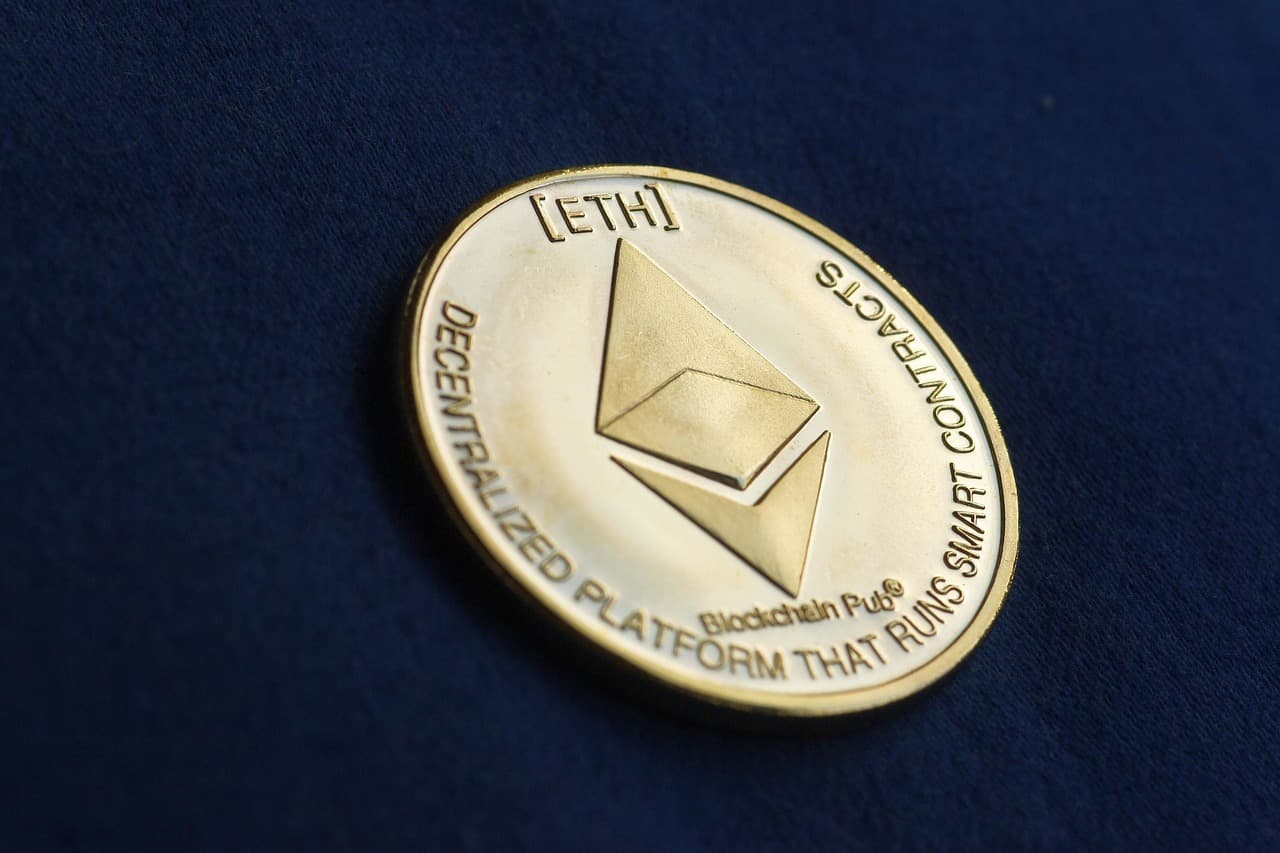
Why Some Businesses Are Integrating Crypto Today

Crypto used to be a headline magnet. It is slipping into the background as the plumbing for routine payments, payouts, and treasury moves. Companies are adopting it for practical wins like faster settlement, lower processing costs, and simpler global reach, and they are doing it without forcing customers to learn new habits.
The Shift From Speculation To Utility
Most executives no longer treat digital assets as a moonshot. They see specialized rails that complement cards and bank transfers instead of trying to replace them.
With clearer rules and better vendor support, teams can run small pilots, gather real data, and scale only when the numbers prove out. That mindset has moved crypto from a trending topic to an everyday tool in back offices.
What changed is the focus on jobs to be done. Finance leaders care about faster settlement, fewer intermediaries, and cleaner reconciliation, not price charts.
Product teams map crypto to specific pain points like cross-border refunds or marketplace payouts and then compare results against current rails. If the metrics beat the baseline with acceptable risk, the pilot graduates to a standard workflow.
Integration is more practical than before. Companies connect wallets and stablecoin rails through APIs, add policy checks, and route only the transactions that benefit. Accounting teams tag on-chain movements the same way they track card settlements, so audits do not stall.
Training is light, too. Staff use the same dashboards while the crypto layer hums in the background.
Why Stablecoins Are Leading The Charge
Volatility is the enemy of operations, so stablecoins are stepping in as the reliable middle layer. Teams can hold value in a digital dollar, send it across borders in minutes, and convert to local currency when needed.
A recent analysis by TRM Labs described stablecoins taking a large share of on-chain activity and measuring in the trillions for the year, which signals working capital in motion rather than speculation. That kind of scale helps CFOs justify trials without putting the balance sheet at risk.
Lower Friction For Global Payments
Merchants want money to move like email, not like international mail. Traditional cross-border flows can stack fees, create FX surprises, and tie up funds over weekends. By adding stablecoin acceptance at checkout, businesses can make pricing predictable for buyers and reconciliation cleaner for finance.
Stripe’s announcement with Shopify explained that merchants across many countries can accept a dollar-backed stablecoin, which keeps checkout familiar while removing some currency headaches behind the scenes.
Managing Risk And Compliance At Scale
Adoption only sticks if controls keep pace, and the toolkit is far better than it was a few years ago. Many businesses now combine KYC, sanctions screening, and blockchain analytics to flag risky wallets and unusual flows in near real time, and the audit trail is often richer than in legacy systems.
Leaders still ask the same core question. A question is how to prevent money laundering in crypto, and programs need a clear scope, escalation paths, and documentation that partners and regulators will accept. With policy guardrails and automated monitoring, crypto activity can be reviewed as thoroughly as card transactions.
Policy should match risk, not guesswork. Start with a documented risk assessment, map controls to specific threats, and ensure evidence is captured for audits. Integrations with analytics platforms help teams watch exposure by geography, counterparty, and asset type while keeping alerts actionable.
Faster Settlement And Cash Flow Wins
Working capital lives and dies on timing, and settlement delays can ripple into inventory, payroll, and vendor terms. Stablecoin rails can settle in minutes and are not limited by banking hours, so the treasury can move value when it matters most.
A major payment network is piloting stablecoins for funding international payments, suggesting a future where corporate treasury chooses programmable rails based on speed, cost, and transparency. When cash shows up sooner, teams can negotiate better discounts and smooth out spikes in demand.
Where Crypto Improves Customer Experience
Shoppers care about speed, price, and trust, and stablecoins can quietly improve all three. They reduce surprise FX fees for international buyers, lower false declines in certain markets, and support near-instant refunds when an order goes sideways. For platforms that pay creators and contractors, global payouts can reach more countries with fewer intermediaries, which reduces support tickets and improves loyalty.

Treasury, Invoicing, And FX Efficiency
CFOs want fewer moving parts between invoicing and settlement. Stablecoins can serve as a neutral bridge asset, letting teams hop across currencies with less slippage and fewer intermediaries.
Paired with multi-sig wallets and policy engines, approvals can be automated without sacrificing oversight. The result is cleaner reconciliation, clearer cash visibility, and fewer end-of-month surprises.
Use cases that trend positive:
- Cross-border vendor payments with predictable FX
- Marketplace and creator payouts at a global scale
- Refunds and time-sensitive disbursements where speed matters
- Micro-rewards and loyalty, where small fees would otherwise kill the idea
Crypto payment rails are moving from pilot to production in many industries, and the lines between card, bank, and blockchain rails will keep blurring. As tooling improves, finance teams will route each transaction over the path that balances speed, cost, and risk for that moment. The winners will adopt pragmatically, keep controls tight, and let their own data decide where crypto adds real value.