The Role of Automation in Modern Business Payments

Most businesses don’t tank because the idea was bad. They fall apart because things move too slowly. Late invoices, messy reconciliation, and follow-ups that drag a 30-day payment cycle into a 90-day migraine nobody counted on.
Here’s the part people rarely say out loud: usually, all that slowness is self-inflicted.
1. You’re Not Disorganized; You’re Just Using the Wrong System
I heard this story about a business owner who ran a mid-sized logistics company. They had decent revenue, a steady batch of clients, and the works.
But every single month, he’d burn through an entire weekend trying to manually reconcile payments. Why? Because his team couldn’t agree on who sent what or when.
That’s not about hiring the right people; it’s about running the wrong process.
Manual payment processing doesn’t just eat up time; it bleeds money. The numbers don’t lie. Accounts payable error rates sit around 3.6% when you’re doing everything by hand.
For a business pushing $400,000 in payments annually, that’s almost $15,000 in errors alone. Not stolen. Not fraudulent. Just money lost to friction.
Automation cuts that error rate to under half a percent. Not because the software’s smart, but because it’s steady. Software doesn’t miss a step just because it’s Friday at 4 p.m.
2. The Problem Isn’t the Invoice; It’s Everything That Happens After
Everybody talks about invoicing, like that’s where the trouble starts. Honestly? Creating and sending invoices is the easy part. The trouble is what happens next.
Someone forgets to follow up because they thought someone else had already done so. Incoming payments get logged under the wrong client.
The same bill gets paid twice because two people processed it. Each slip-up is small, but together they turn your books into a blur. You won’t notice until it really matters.
That’s where automation earns its keep. Due dates get tracked automatically. Duplicates get flagged before they become a headache. Approvals run on rails instead of getting buried in inbox limbo. Your team is suddenly free to do almost anything but chase numbers.
3. When Your Tools Don’t Grow With You
Let’s be real for a minute, most small businesses are still using whatever payment tools were handy when they first started. Maybe that worked in the beginning. But as things grow, complexity sneaks in. The tool doesn’t keep up.
If you’ve hit the ceiling on a basic receipt organizer or a disconnected scanning tool, you’ve probably already gone searching for a Shoeboxed alternative that does more.
You want tools that sync with your books, flag duplicates, and give you clarity without a messy export ritual every time something doesn’t add up. That gap between your old tool and your actual needs is usually where the mistakes hide.
4. What Automation Handles, and Where Humans Still Matter
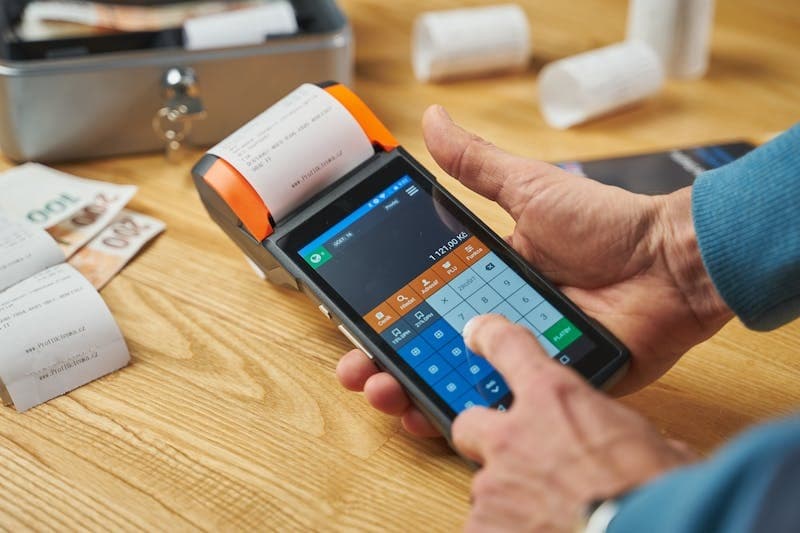
Source: Pexels
Let’s cut through the hype. Automation is perfect for repeat work: tasks with rules, such as invoice capture, payment categorization, regular bank reconciliation, or automated approvals. Software does those things better, plain and simple.
Where it falls flat is anything involving trust, relationships, or judgment. Extending net-60 terms to a vendor you trust; that’s a human call.
Deciding if a minor discrepancy is worth chasing or just a rounding error? Also, a human call. Noticing that a longtime client needs a break in their terms? No automation can catch that nuance.
People think automation means giving up control. What it really does is hand you the info you need, faster, so your decisions stop running on guesswork.
5. How to Automate Without Making a Mess?
So what does this look like, boots on the ground? Start with your biggest headache, not every process at once.
Businesses that go for blanket automation usually end up with a system nobody understands or trusts. Pick the bottleneck that wastes the most time or causes the most errors and fix that first.
Most of the time, that’s either invoicing/collections or approvals/reconciliation.
On the invoicing side, automation handles sending, tracking, and reminders. Set the rules up front, and send reminders on time. Overdue notices escalate automatically. You actually know what’s paid and what isn’t; no more hunting through emails.
On the reconciliation side, software matches bank transactions to invoices as soon as they land. What used to take a whole day at month’s end now just… runs.
6. Choosing Tools Without Getting Lost in Features
Lots of business owners stall out here, comparing features in tools built for different kinds of companies.
Take FreshBooks vs Xero, for example. FreshBooks? Dead simple, aimed at freelancers and small shops—easy invoicing, time tracking, client billing.
Xero? It’s for larger operations with more moving parts: sweeping bank feeds, multiple currencies and plug-and-play integration with whatever else you’re using. Neither is automatically “better.” Just pick the one that fits what you’re actually doing.
Payments Are All About Relationships
Here’s what nobody talks about: paying your vendors on time, without forcing them to chase you, builds trust. Over time, that trust pays you back. You get better credit, faster access when it matters, and a cushion for when things really do go sideways.
Automation doesn’t replace that. It just clears the obstacles, so consistency becomes effortless. The relationship grows because the details don’t get in the way.
In the end, payments automation isn’t about getting rid of people. It’s about making sure people stay focused on the parts that actually need them.